

News
by Berit Krondorf (comments: 0)
From Peatland to market
LCA for paludiculture – how does it work?
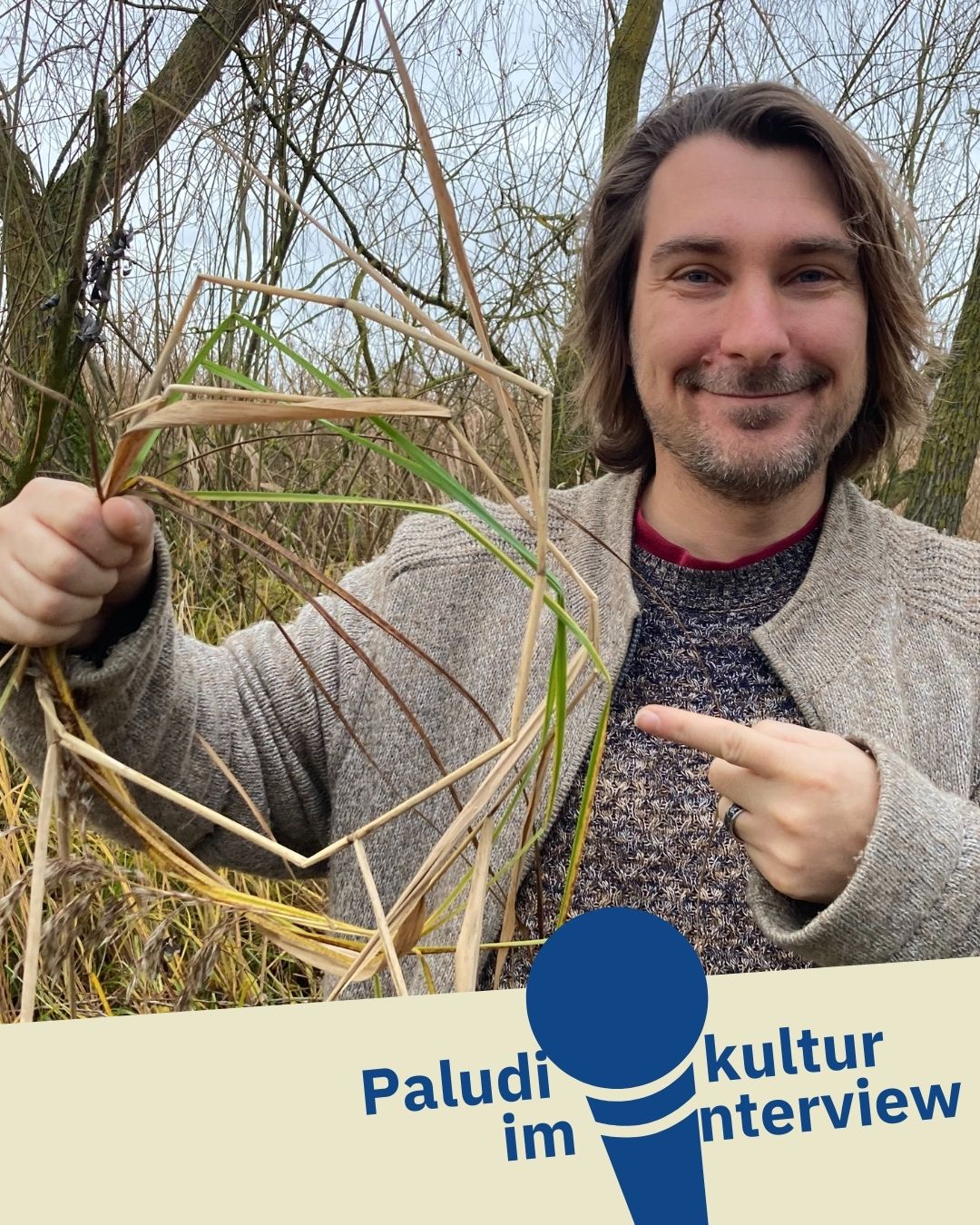
Greifswald, 7 January 2026 Clemens Kleinspehn is working at the University of Greifswald on the PaludiAllianz project to calculate the environmental impact over the entire life cycle – a so-called Life Cycle Analysis (LCA) – for a paludiculture product. His focus: the OTTO Group's shipping carton, which consists of 10% biomass from wet moors.
In the latest Paludiculture interview, he explains that this primarily provides the basis for the economic competitiveness of paludiculture products. The challenge here is that international life cycle assessment databases currently lack data on paludiculture products. Clemens Kleinspehn not only shows how the project closes these data gaps, but also which competing products may provide an orientation and which impact categories, such as water and energy consumption, biodiversity and greenhouse gas emissions, it focuses on. He also addresses the importance of LCA transparency, as there are no binding standards.
The LCA is not only intended to provide scientific findings, but mainly to offer companies and interested consumers a sound basis for decision-making. ‘Climate balances are an important purchasing criterion today,’ emphasises Kleinspehn. ‘Our results will be published so that producers and interested parties can better evaluate paludiculture products.’ The analysis is expected to be completed in six months.